Why Does Illustration Have Such a Negative Connotation in Art
Chapter 5: Document Blueprint
Katrina Peterson
This chapter briefly summarizes fundamental concepts to consider every bit you craft print and electronic texts. In this chapter yous will read about bones principles of document design that permit writers to combine graphic elements with text to convey a message to audiences. Start with a give-and-take of standard conventions (of formatting, language, and style), the chapter then shares some bones guidelines for document pattern, moving frontwards to focus on integration of graphics, callouts and captions. Other topics include tables of contents, figures and tables, headings and the well-known CRAP test used by graphic designers. For boosted resources, see the activities included at the chapter's end.
A text'southward visual appeal matters to the reader, so it should also thing to the writer. Letters, reports, and blogs are more than just words on a page or screen. How ideas are arranged and delivered, whether electronically or on paper, can brand reading seem intimidating, confusing, or downright unfriendly, even if the content itself is perfect. Conversely, a document's design can describe in readers and engage them with your ideas. Think of the text as a room for your thoughts. Sometimes yous want readers to get in and go out quickly, just often yous want them to sit down and brand themselves comfortable, put their anxiety upwardly and stay a while. Regardless of your specific goal, it is important to brand deliberate decisions well-nigh the blueprint elements that touch on audience feel.
As readers, we may seem a bit similar Tv set viewers with remote controls. In a moment, attending may exist diverted to another channel if something about the content distracts the states. For this reason, a author must consider carefully how to capture readers' attention and hold it. Good content is a cardinal part of this, of grade, but the visual presentation of the content matters too. Reading is a difficult, cognitively enervating task, so if your design helps brand readers' journey through the text easier, yous will hold their attending longer. Give your audience reasons to linger, and they will.
You already appoint in document pattern practices. For instance, when formatting an academic essay, you heart your title and split the content into paragraphs, which signals to the reader that it is time for a breather, the content is shifting slightly, or y'all are introducing a new topic. You illustrate blogs, Web pages, and PowerPoint slides with photos and graphics, animations, or videos. Even small elements of your writing help guide readers: indentation, changes in type style (bold , italics, underline), or punctuation at the end of a judgement. Professional writers, specially those who work for well-funded web sites and mass-market print publications, are fortunate enough to have the services of artists, graphic designers, skilled photographers, and layout experts. But most of usa just desire to accept a libation-looking blog, a more than professional person-looking written report, or an eBay listing that reinforces our brownie.
In many respects, document design is both a science and an art. The layout of documents—their content, color scheme, alignment, etc.—is the result of individual choices. Information technology takes a long time to chief the finer points of design. As a starting point, this chapter volition offer some strategies for making your documents intuitive and audition friendly: easy to scan, search, and read. The goal of this chapter is to familiarize you with a few bones means of thinking that designers know well. Whether you lot are typing up a memo on safe policies at work, producing a newsletter for your customs, or putting together a booklet describing a new app, the post-obit elements of document design are meant for yous.
Appropriate format, linguistic communication, and style are the basic design elements of all technical documents. A format with a structure that leads readers thorough the text and shows the hierarchical relationships amongst ideas—from well-nigh important to least important—is crucial. Readers should exist able to identify the organizational pattern very quickly when scanning a technical document. The document should exist reader friendly, or reader-centered rather than writer-centered. Using advisable language provides readers with a thorough understanding of the document's purpose, how it relates to the individual needs, and any actions readers will need to take. Although it is helpful to examine each element of a document individually, it is also wise to step dorsum and consider the interrelation of elements, or how all components piece of work together to communicate a message to a specific audience. In this sense, everything from linguistic communication and mode to a text's visual aspects may either contribute to or backbite from its overall design.
As discussed previously in the affiliate on audition (run into Chapter 2), a certificate may have one primary reader, several secondary readers, or a combination of both. A primary reader is the person who ordered the report to exist written or the person for whom a study is intended. This reader will unremarkably read the entire report. Secondary readers are those who will read just the sections of the report that chronicle to them, their jobs, their departments, responsibilities, etc. For example, in the case of a report that details funding for different departments, a superintendent may simply want to read the department that relates to piping. This is where format, a tabular array of contents, page numbers, the utilize of headings, etc. is significant in allowing easy admission to information. Information technology saves time when the pipage superintendent can browse through the document and conspicuously discover the heading that identifies his department.
Similar to formatting and language, there are also specific style conventions, or expectations, associated with dissimilar genres of writing. Academic papers, comprehend letters, résumés, business plans, and other documents tend to follow these conventions—some explicit (stated straight) and some implicit (unstated or indirectly stated). For example, Modern Language Association (MLA) and American Psychological Clan (APA) styles dictate exactly what academic papers should await like. Associated Press (AP) style shapes the wait of newspaper text, and Institute for Electrical and Electronics Engineers (IEEE) manner governs engineering documents.
For every context in which you write, you will discover that field-specific fashion guides influence the advent of a text, the way language is used, the preferred terminology and vocabulary, and the way sources are cited. Business- and commerce-established firms like Panasonic, IKEA, eBay, Sears, and Trader Joe'due south have a manner too. To preserve their brand identity, firms create recognizable, memorable logos and make sure their documents follow a certain agreed-upon style. Government and civic organizations also take logos and letterhead; even government and military documents are influenced by specific style conventions.
These style conventions matter. For each certificate design, you will need to know which prepare of conventions applies to it. For instance, a cover letter of the alphabet should generally follow traditional business letter of the alphabet format. Memos and emails will look slightly dissimilar; we do not expect to encounter an address cake for the letter recipient on an email considering a street accost is not needed to reply. Within your program of study and individual classes, the plan or the professor will determine style, commendation, and formatting conventions like MLA or APA. Style and formatting guides recommended past the World Wide Spider web Consortium (W3C) all the same help you when dealing with online publications. In the professional world, you will need to find out field-specific or company-specific mode and commendation conventions.
Many bewail the lack of a consistent style on web pages; inconsistency sometimes detracts from readability, can negatively affect the certificate's/author's ethos, and may create confusion that reduces clarity. We may not know who wrote the text, where information technology comes from, or when information technology was produced. Readers may hesitate to assign existent brownie to an undated, unsourced web log written by a stranger—and rightly and then. This is why sites like Wikipedia need sources and format all entries exactly the same. The look and feel of Wikipedia is now familiar to people around the world, and it is used as a source in some writing contexts, for expert or for ill, precisely because its content has predictable regularity and its easy-to-navigate entries are popular with readers. However, producing good publications involves much more than post-obit fashion conventions. At that place are a variety of concepts to consider and many important choices to make when planning the best method of communicating your message.
The kickoff step in document design involves identifying the genre and its conventions (equally discussed higher up), which may vary widely based on context, audition, and purpose. Hither are some bones guidelines to keep in mind when dealing with business writing:
- Add together and vary graphics. For non-specialist audiences, yous may want to use more graphics—and simpler ones at that. Documents geared toward the non-specialist tend to have more decorative, technical, and detailed graphics.
- Break up text or consolidate it into meaningful, usable chunks. For non-specialist readers, you will likely construct shorter paragraphs of around 6 to eight lines. Technical documents written for specialists will include much longer paragraphs.
- Use headings and lists. Readers tin be intimidated past dumbo paragraphs of writing.
(Technical writers may refer to a long paragraph that is difficult to scan every bit "a wall of prose.") Incorporate headings whenever possible—for case, when a topic or subtopic is introduced. As well search your certificate for written lists that tin can be fabricated into vertical lists. Look for paired listings such as terms and their definitions; these tin can become two-column lists. - Apply special typography. Typically, sans-serif fonts, such as Ariel, are useful for online readers. Serif fonts, such as Time New Roman, are useful for print texts.
- Piece of work with margins, line length, line spacing, type size, and type style. For non-specialist readers, you tin can increment readability by making the lines shorter (adjusting the margins) and using larger blazon sizes.
- Include bullet points. Long lists tin often be cleaved downward into smaller bulleted chunks of information for ease of reading. Some genres, similar the résumé, identify the accent on bulleted phrases rather than complete sentences. When using bullet points, continue in heed the following:
-
- Use a lead-in to innovate the list items and to indicate the meaning or purpose of the list (and punctuate information technology with a colon).
- Check spacing, indentation, punctuation, and caps to ensure consistency.
- Make listing items parallel in phrasing.
- Confirm that each item in the list is parallel and grammatically right.
- Avoid overusing lists; using too many lists destroys their effectiveness.
- Use similar types of lists consistently within the same certificate.
- Strive for remainder and parallelism among elements. Proceed in mind that items at the superlative of a document weigh more than those at the bottom, while items on the right side of the folio counterbalance more than those on the left. Text and graphics should work together to create a sense of residue and unity.
In southwardummary, while these basic guidelines may be practical to many dissimilar documents, the private decisions you make volition depend on your audition, or who will read your report. From content and language to layout, every aspect of your communication must continue your readers' needs in mind.
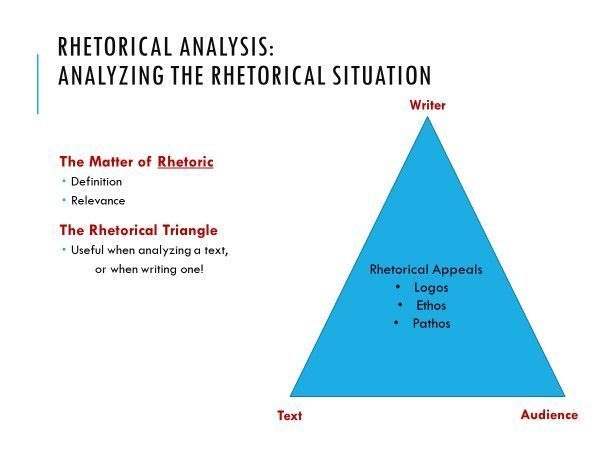
In the slide below, which of the principles in a higher place have been applied well? It utilizes both headings and subheadings to break materials into useable segments. It also includes bullet points, relying on fragments and phrases rather than full sentences, which encourages a speaker to elaborate on major points rather than over-relying on reading from the slide. The simplicity of the triangular graphic and color scheme could be said to enhance rather than detract from the main message. However, some might argue that the weight of the graphic on the correct side throws off the visual's residue (since items on the right weigh more than those on the left). A uncomplicated adjustment to the graphic's size or placement would accommodate the imbalance.
Technical writers often integrate graphics or visuals to complement text in a report. Graphics can take many forms—tables, charts, photographs, drawings, to name a few—but their purpose rarely varies: they should aid to analyze information presented in the study. They should piece of work together with the text to communicate, rather than replacing the text birthday. Graphics provide an additional benefit. They help to break upward a text-heavy written report, making the report more visually appealing.
As you lot brainstorm thinking nigh possible visuals to include in your certificate, the first footstep is to consider which graphics are most advisable for the message you want to convey. The table below provides some general guidelines on the graphics most suitable to convey specific types of information.
| Information to Convey | Visual Type |
|---|---|
| Numbers, percentages, categories | Tables, charts |
| Processes | Flow charts |
| Geographic data | Maps |
| Chronological or prioritized lists | Numbered lists |
| Non-chronological lists | Bulleted lists |
Preparing Readers for Graphics
When developing graphics, you will desire to consider where they should exist placed and what data should surroundings them. Make sure your visuals are appropriate to your audience, subject affair, and purpose. To prepare readers for the information a graphic conveys, besides consider these tips:
- Explain or innovate the information/topic of the graphic in the preceding paragraph.
- For piece of cake reference, give each visual a name.
- Make sure the information within the graphic is clear and easy to understand.
- Whether in a higher place the visual or somewhere else in the document, provide source information, references, or citations (if the visual and/or information is non your original work and comes from a secondary source).
- Include a caption or follow-upward text later the graphic, such equally an estimation or a final comment virtually the implications of the visual. If the graphic contains all-encompassing data, yous may need to tell your audience what information to focus on.
- Intersperse graphics and text on the same page. Avoid placing graphics on pages past themselves; ideally, no visual should accept up more one-tertiary of a page unless admittedly necessary.
- Include identifying details within the graphics such every bit illustration labels, axis labels, keys, then on.
- Get out at least i blank line above and below graphics.
- Place graphics near the text that they are illustrating. If a graphic does not fit on the same page, indicate that it appears on the next page.
- Cite all images that you lot take from elsewhere. While it is perfectly legal to infringe graphics—to trace, photocopy, scan, or extract subsets of data from them—you are obligated to accurately cite your sources for graphics. Also be enlightened that some graphics may require actress permissions from the creator based on the type of copyright.
The graphic beneath, provided past Wikimedia Commons, follows at to the lowest degree some of the design principles given above. What is done well, and what might be washed better? You will notice, for example, that the graphic incorporates a space above and below, forth with a descriptive caption. Would readers benefit from also seeing labels that identify cardinal information, or would additional descriptions seem superfluous?

Callouts and Captions
Callouts and captions contain information that help readers to interpret graphics; they identify specific elements or features. Whereas captions are curt phrases or sentences that describe the graphic, callouts (or labels) are used when parts of the image need to be labeled or each role requires a longer explanation. Captions for graphics should be placed immediately nether the graphic; they include the title and any explanatory material. Here are a few starting guidelines when creating captions: place words such as Figure, Illustration, and Table in bold blazon; italicize explanation titles; and care for tables and figures just the same. Proficient captions guide readers not only to see, but also to understand.
Writing Style for Captions
The post-obit paragraphs share v recommendations for fashion based on The Franklin Covey Style Guide for Business concern and Technical Advice. First, use interpretive captions whenever possible. Interpretive captions provide both a championship and explanatory information, commonly expressed in a complete judgement, to help readers sympathize the fundamental point(due south) that the writer wants to convey. A graphic and its caption should be clear and understandable without requiring readers to search for clarifying data in the text: "Figure 23-Check Valve. The risk of bad air entering the changer is near aught because the check valve permits air period in 1 direction only." This interpretive caption gives the championship of the figure and emphasizes that the cabin has a constant temperature—a benefit provided by the characteristic described in the figure. The caption states clearly what the author wants the reader to learn from the drawing.
Secondly, avoid using brusque or ambiguous titles to supersede interpretive captions. In the by, styles for technical and scientific documents used only simple title captions for visuals. How would the effect of the Neuschwanstein visual change if the caption simply read "Castle"? Such a title makes the caption unnecessary, providing no existent information other than the obvious to the reader. Titles that are so curt and/or cryptic that they audio telegraphic are non useful.
Thirdly, number figures and tables sequentially throughout the document, and place the number before the caption. If an of import effigy or table is presented twice, treat it as ii separate visuals and number each.
Fourthly, use periods following interpretive captions but omit punctuation following curt captions that are not complete sentences. Interpretive captions are commonly complete sentences and should therefore end with a period. Short captions, like titles and headings, are non commonly consummate sentences, then they crave no punctuation. Captions may announced beneath or in a higher place a visual, only consistency throughout a document is disquisitional. Arguments back up both options; choose one, know the rationale for your choice, and be consistent.
Lastly, put the caption above the visual for better visibility when captions are used with slides and other projection visual aids. Captions placed at the bottom may be blocked by the heads of those seated in front or the limits of the projector/screen. Safety information must also exist attainable to your readers. Warnings should stand up out from the remainder of the documents, mayhap with icons, colored fonts, or bolding. They should besides be easy to sympathize. A confusing condom label is merely equally bad equally no alarm at all.
To give a alarm prominence, you lot may determine to list it at the commencement of the manual; be sure to also list hazards where the reader might encounter them in your instructions. In the case of technical instructions where activity is required, list the safety label before the step to ensure that the reader sees the data in time to prevent mishap. As a preemptive strike against lawsuits, you may be tempted to listing every possible hazard that comes to mind. Some companies practice this to an extent that the warnings become ridiculous—i.e. "Practice not use this rotary drill as a home dentistry kit" or "Exercise not use your hairdryer while sleeping." Keep in mind that as well many warnings—especially ridiculous ones—brand the whole safety section seem giddy. So, no one takes the adventure seriously, not even the real ones. Remember: You lot merely take to inform users when a hazard is "reasonably foreseeable." In other words, observe the middle basis betwixt not enough warnings and way besides many.
Guidelines for Callouts
Here are a few boosted guidelines for callouts:
- Make up one's mind the number of items to identify in the epitome.
- Create a consequent visual manner.
- Use the same terms on the callout as in the text.
- Identify callouts next to the elements in the graphic they identify, using a line to connect the 2, if necessary.
- Use a standard font and size for readability.
- Align the labels and callouts for a neater appearance.
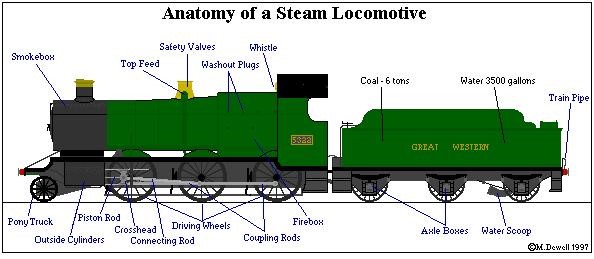
The following graphic adopts a consistent visual style in the mode that it identifies the parts of a locomotive. Its terms are placed directly next to the graphic, connected by lines. Its title is placed higher up rather than beneath the visual for like shooting fish in a barrel differentiation from the callouts.
Types and Placement of Callouts
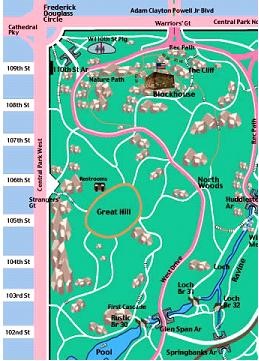
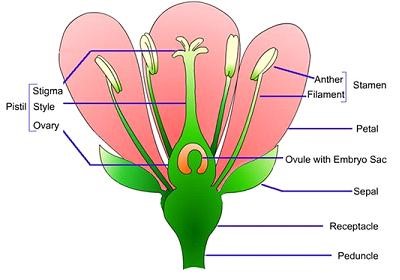
Callouts typically take i of three different forms: 1) They may be placed directly on the graphic (whereby they become part of the visual), 2) They may exist placed around the graphic nearly lines that point to the relevant element in the graphic, or three) They may include links or hotspots where more data near the element is displayed on mouse rollover or on another page. The visuals below characteristic two of the three major label types.
When to Employ Callouts
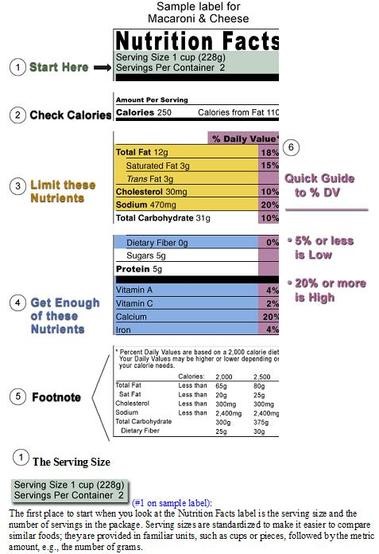
Callouts are all-time used when many parts of the image need to exist labeled and each function requires a longer caption. In fact, the label sequence may be in alphabetical or numerical gild, every bit shown in the example below. Ensure that the explanation is well-nigh the graphic.
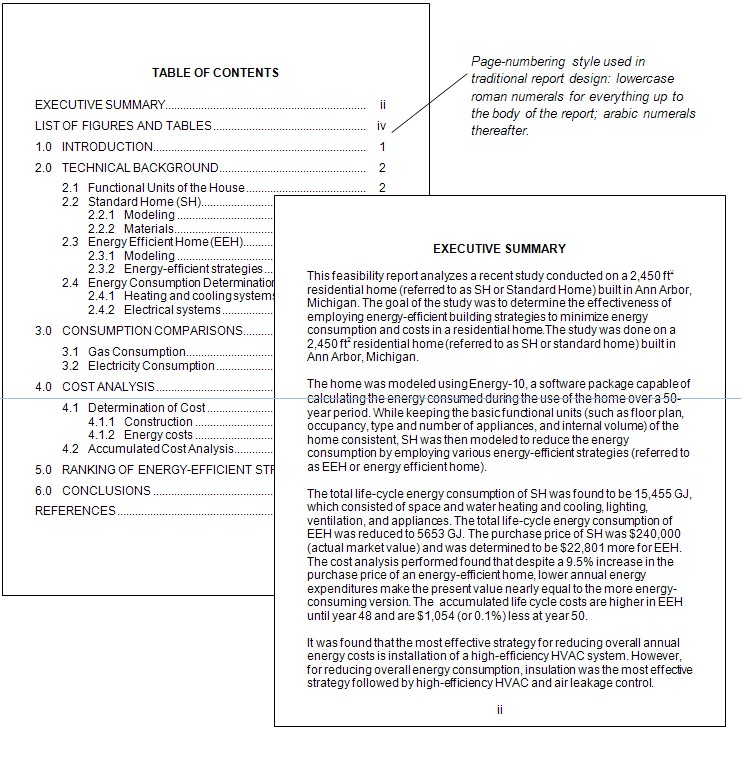
Nearly people are familiar with tables of contents (TOC), but take you e'er stopped to look at their design? The TOC shows readers what topics are covered in the report, how those topics are discussed (subtopics), and on which folio numbers sections and subsections offset. In creating a TOC, you volition have to brand design decisions having to practise with levels of headings, indentation, spacing and capitalization. Such decisions keep the TOC from becoming long and unwieldy; it should provide an at-a-glance manner of finding information in the written report apace.
In the analogy below, items in each of the 3 levels of headings are aligned. Main chapters or sections are written in all capital messages, first-level headings employ initial capitals on each master give-and-take, and lower-level sections use initial capitals on the first word only. The first-level sections as well have actress space above and beneath, which increases readability. Using the automatic TOC creator in your word processor can help you produce a clean, professional document. If you lot prefer to make your own, use dot leader tabs to line upwards the page numbers correctly. Come across the post-obit example of a tabular array of contents:
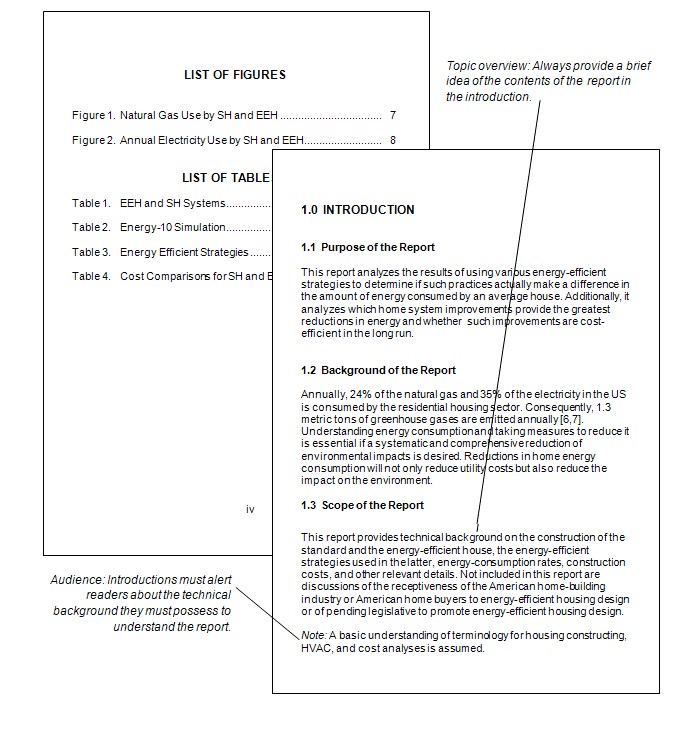
If your certificate has more two figures and tables, create a carve up listing of figures. The list of figures has many of the same design considerations as the table of contents. Readers utilise it to quickly find the illustrations, diagrams, tables, and charts in your report. Complications arise when you have both tables and figures. Strictly speaking, figures are illustrations, drawings, photographs, graphs, and charts. Tables are rows and columns of words and numbers; they are not considered figures.
For longer reports that contain dozens of figures and tables each, create separate lists of figures and tables. Put them together on the same page if they fit, every bit shown in the illustration below. Yous tin combine the ii lists under the heading Listing of Figures and Tables and identify the items equally figure or table equally is washed in the illustration below.
In all merely the shortest reports (two pages or less), use headings—titles and subtitles—to mark off the dissimilar topics covered. Headings are an important feature of professional person technical writing: they warning readers to upcoming topics and subtopics, help them detect their fashion effectually in long reports, and break upwardly long stretches of straight text. They are also useful for keeping writers organized and focused on the topic. When some writers brainstorm using headings, they are tempted to insert them after writing the rough draft. Instead, accept time to visualize the headings earlier starting the rough draft, and plug them in equally you write. Here are helpful tips for headers:
- Make phrasing self-explanatory: instead of Background or Technical Information, exist more specific, like Physics of Fiber Optics.
- Indicate the range of topics covered in the section: if the section covers the design and operation of a pressurized water reactor, the heading Pressurized Water Reactor Design may seem incomplete and misleading.
- Do non use stacked headings (consecutive headings without intervening text).
- Avert pronouns referring to headings: if you take a heading like Torque, practise non brainstorm the judgement following it with: "This is a physics principle."
- Omit manufactures from the beginning of headings: The Pressurized Water Reactor can easily be changed to Pressurized Water Reactor.
- Avoid widowed headings: widowing occurs when a heading is placed at the lesser of one page and the text starts at the top of the next folio. Keep at least two lines of trunk text with the heading or place all the information on a new folio.
Manually formatting each heading using the guidelines presented above will pb unnecessarily repetitive work. The styles provided by Microsoft Discussion, OpenOffice Author, and other software salve you this piece of work. Y'all can but select Heading ane, Heading 2, Heading 3, and and so on.
Despite the unfortunate acronym, the major four principles of CRAP are familiar to whatever graphic designer and they should exist familiar to writers as well. This guideline originated with the influential designer and writer Robin Williams; she now regrets the acronym, only not the ideas backside it.
i. C is for Contrast: Use difference to draw readers' eyes to and through your text or publication.
You can see evidence of the most basic aspects of contrast in any web page or magazine. The headline text is always different from the trunk text. It is often bigger and bolder; it tin also be in a unlike typeface. Headlines go far easy to skip from one story to the next and get a cursory understanding of the news.
Applying strong contrasting elements to your text is important considering the human eye is drawn to deviation, not necessarily size. When everything looks the aforementioned, information technology is hard to focus on anything. When things are different, they are more than noticeable. When a certificate has few or no contrasting elements, aught stands out. The document is not piece of cake to scan, and it does not invite the reader to leap in and read. It is also difficult for readers to glean information from the text easily and quickly.


Some documents, like business letters or academic papers, have fewer contrasting elements, but even line spacing and paragraph breaks assistance betoken where a related chunk of information begins and ends. Contrast helps draw the reader'due south eyes to specific elements in your text, and it also helps the reader follow the flow of the data, while assessing which items are almost important and require immediate attention. It creates readability. The post-obit elements of a text can assistance you create a friendly, appealing sense of contrast:
Contrast in size: Your center moves toward things because they are different, not because they are large or small-scale. Your centre is impressed by novelty more than sheer size or color or whatsoever other visual characteristic. There are all sorts of scientific theories about why this is and so, but in short, it is not and so much that making something bigger makes information technology more noticeable. A person'south height, for example, is not so noticeable until the principle of contrast comes into effect. There is such a thing as as well much size dissimilarity: think of those spider web sites with huge type or an overly enthusiastic employ of the CAPS LOCK fundamental. Less is more, but some size contrast is essential to depict the reader's eye.
Contrast in font size/style/weight: A typeface is a collection of fonts. The distinction between the terms typeface and font stretches back to the days of typesetting: paw-placing individual letters made of wood or metal, inking them, and rolling paper over them. In the digital age, most people utilize the words typeface and font interchangeably, though the distinction still matters to experts similar designers and typographers.
What is important to well-nigh people is that we all have a huge variety of typefaces, or font families, to choose from: Times New Roman, Arial, Bookman, Georgia, and Garamond are familiar to many of united states. It is of import to choose a font (a particular size, style, and weight within a typeface) that fits our purpose. Some, similar script and handwriting typefaces, are too hard to read and thus inappropriate for torso text, for example. Some typefaces work well equally headlines: Franklin Gothic Condensed and Caslon are two typefaces often used for newspaper headlines. The "font" chosen (size, weight, style—italic, bold, etc.) will exist the designer's choice.
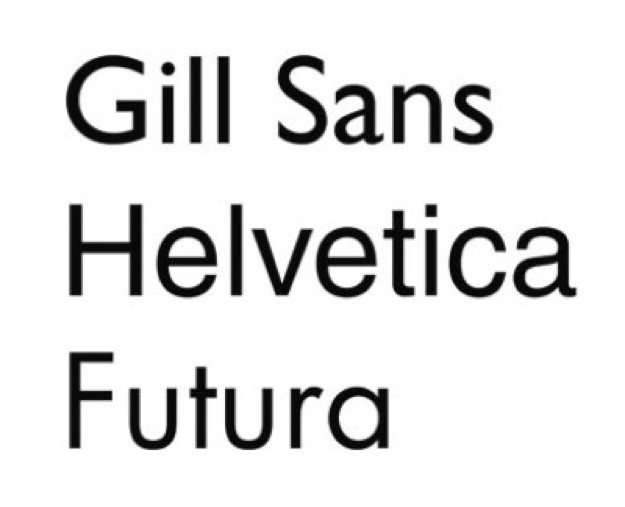
It is besides important to distinguish between serif and sans-serif fonts. Sans serif fonts, similar Helvetica or Futura, are unproblematic and smooth; the letters practice not display the feet and decoration (serifs) that serif fonts do. Sans serif fonts are often used for headlines, but serif fonts are more than likely to be used for trunk text. Many typographers think serif fonts (as well called Roman fonts) make large blocks of body text easier to read. Some of the preference is really just about tradition.
Contrast in Direction (vertical, horizontal, circular, etc.) or position (top, lesser, side): Irresolute the direction or orientation of text, graphic elements like lines, banners, or screens.
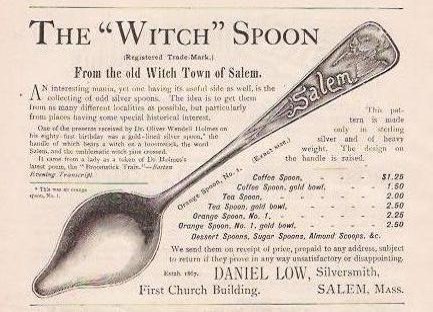
Contrast in alignment (center, left, right, justified): A change in alignment can create visual interest. For example, headlines are oft centered to brand them noticeable. Images may be placed in a location on a page (or slide) to depict readers' attention in one direction or another. Consistent alignment with slight variations to provide involvement is specially of import in PowerPoint presentations. You will exist flipping from one slide to some other, and if the text blocks and headlines are non aligned identically, your text and headlines will announced to jump around the screen in a distracting style.
Contrast in graphic elements like photos, banners/bands, pull quotes, or logos: Breaking upwardly huge blocks of text with a variety of graphic elements can really add visual appeal and interest. As with the examples below, less is more than. Think of all the publications and web sites y'all take seen whose designers idea it was crawly to make text bold AND underlined AND multicolored AND flashing. With a brilliant yellow background. And besides many animated GIFs. It repels readers rather than attracting them.

Contrast in color (of background, text, graphic elements, etc.): Use colour to make certain elements stand out. Create a sense of drama when you contrast i color with some other. Make certain yous do not use also many colors and your color combinations are easy to read.
Contrast in negative or white infinite: Sometimes, the all-time manner to attract a reader's attention to a dissimilarity is by using negative space. Negative space, or white space, describes the space effectually text, images, and other elements in a document. The absenteeism of content draws attending to the content itself. Information technology makes documents of all kinds (digital and print) more readable, more restful-looking, more inviting to the reader, simpler, and more elegant. It is associated with that high-end restaurant or salon carte wait.
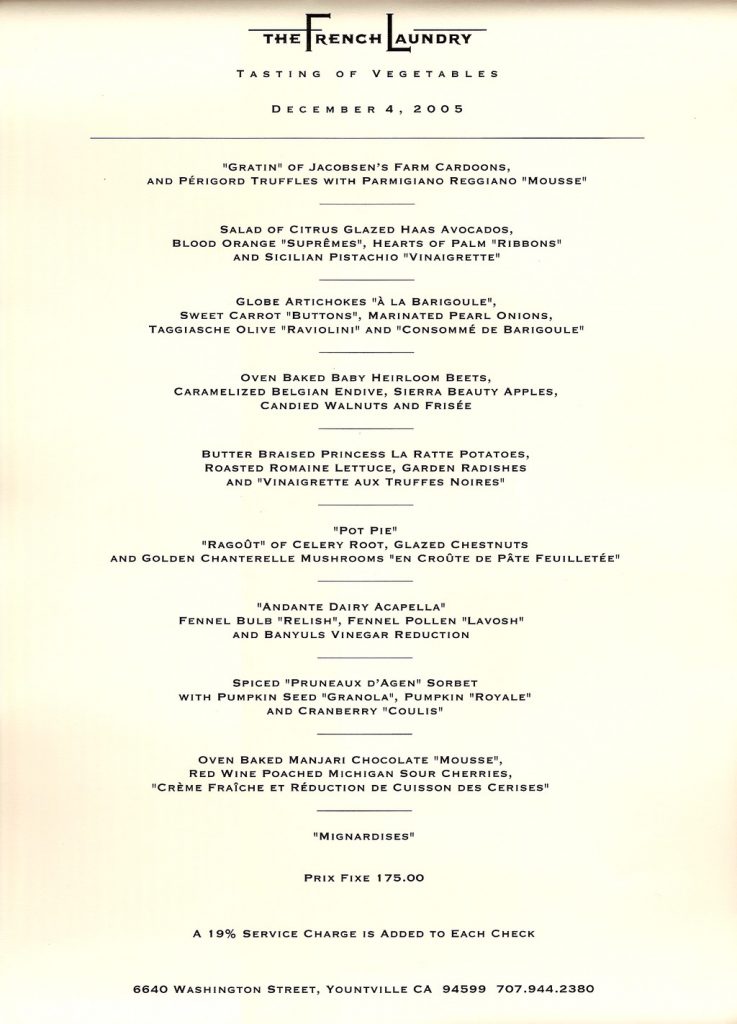
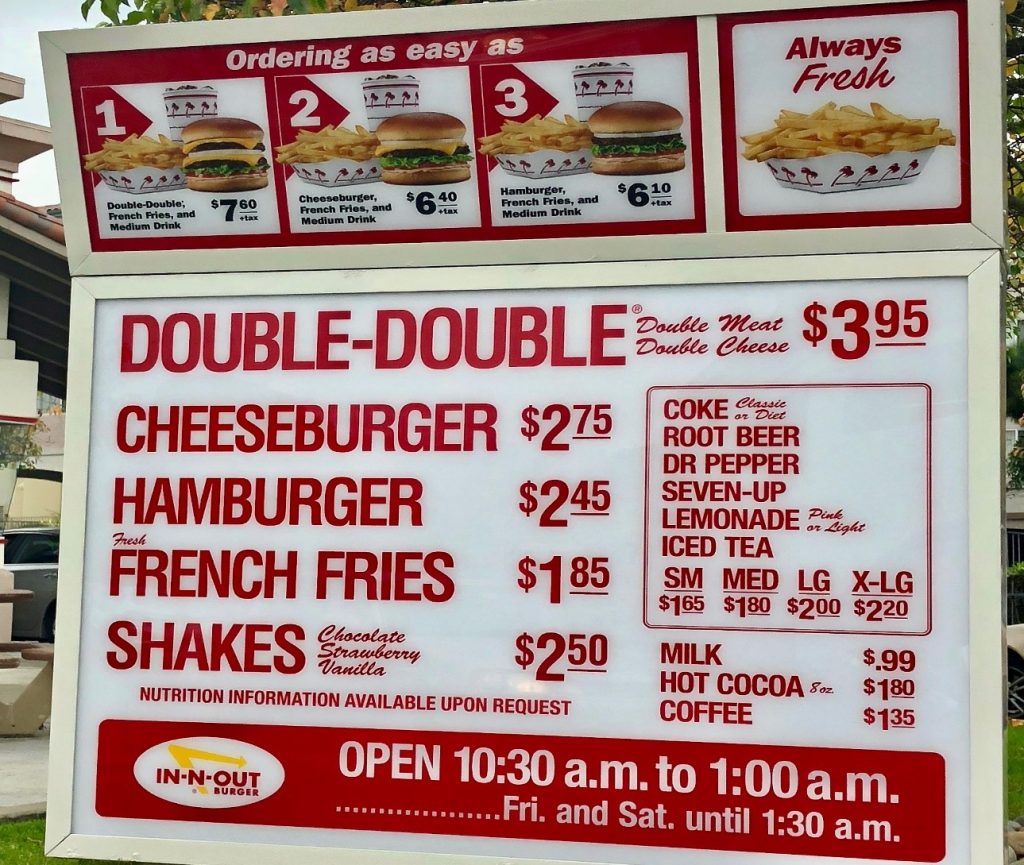
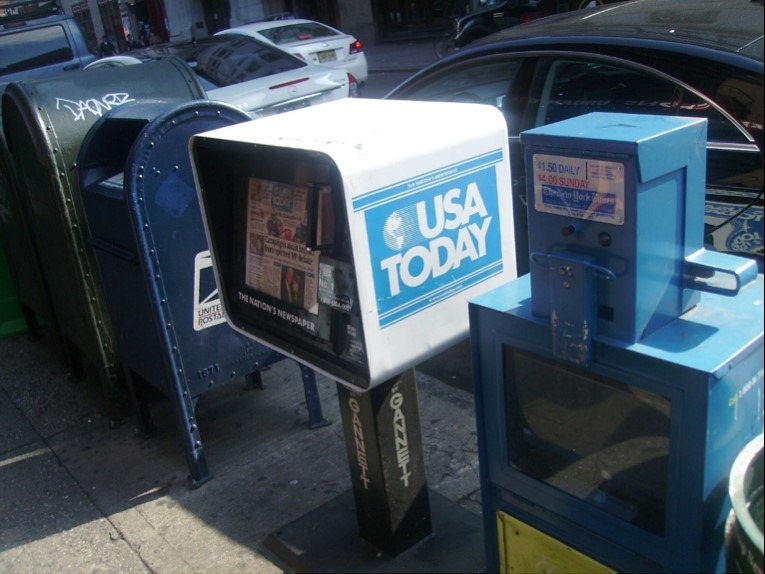
- R is for Repetition: Repeat design strategies throughout your document to provide a sense of connectedness.The bones dominion of repetition means that in whatever text, visual or textual elements that have similar functions should exist formatted similarly to create continuity and testify close relationships between the elements. For example, newspapers accept consistent ways of labeling dissimilar sections, like Sports, that does non alter on a daily basis, but there is likewise design consistency throughout and so that yous can identify the newspaper. For example, in a standard newspaper all the column widths employ consistent spacing, which increases visual appeal through uniformity and repetition. USA Today in particular is notorious for its consistent repeated color-coding and design.
On a smaller scale, in a résumé near applicants use bullet-pointed sections to listing their job duties. Repetition in this context means that all these bullet points should be formatted identically: the same font, size, line spacing, and indentation. Each group of bullet-pointed items should be the same distance from the text above and below. The bullet points themselves should be exactly the same shape and size. Repetition as well applies to styles like MLA or APA. All titles are centered. All page numbers are in the upper right-paw corner, after your last proper noun and a unmarried bare graphic symbol space. The same typeface is used throughout the paper. All paragraphs have exactly i empty line space betwixt them. And then on.
Repetition means that every line classified every bit a headline should await like a headline, and headlines formatted to look akin can exist identified equally having a similar function in the text. The same principle applies to body text. Fonts should non alter without a reason. Lines, logos, and other graphic/visual elements should be formatted consistently. This repetition provides a sense of order and continuity that makes the document more readable and professional looking.
Since managing the formatting of multiple elements past hand can exist difficult, many software programs provide templates—ready-made layouts into which you can plug your text and photos and thereby produce a multifariousness of documents with a consistent expect and feel. Microsoft Give-and-take, for example, as well allows y'all to set Styles that volition keep formatting choices like size, font, and manner (bold, italic, etc.) the same for blocks of text with the aforementioned functions (torso text, headlines, bullet points, subheadings). Templates for newsletters, résumés, and PowerPoint presentations ensure that basic design elements like font size/mode, color, image size and alignment are consistent from page to page. Templates provide a quick, easy mode to solve repetition issues. Look at the difference repetition makes in even the most basic of résumés, for instance.
- A is for Alignment: There should be a clear, deliberate arrangement of items on a page.
Alignment can refer to text, equally in the left-aligned body text required in MLA style. But in document design, information technology ways much more; it refers to how the entire document is arranged. Most designers align all their content to some sort of a grid or design, creating a singled-out, intentional arrangement of items on a page or screen. They use plenty of white space to cushion the items, which makes higher-dissimilarity items popular.
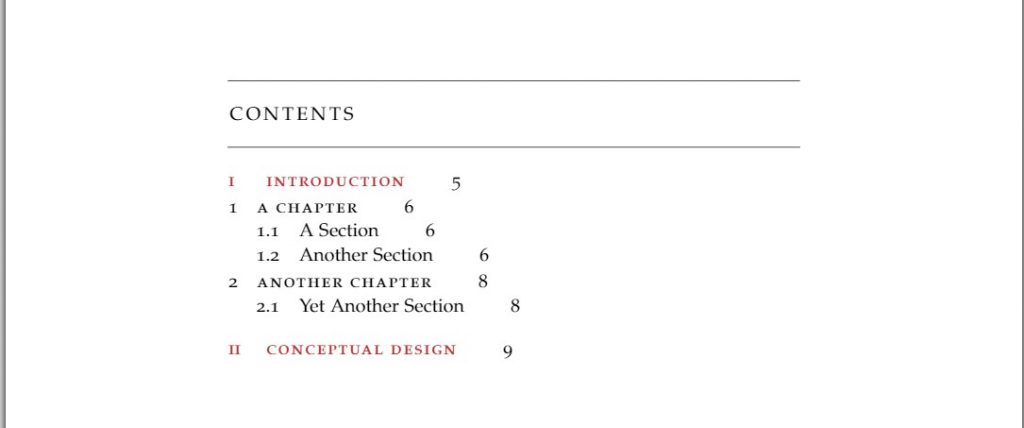
In the following sample Tabular array of Contents, not only are the numbers misaligned, but the TOC too lacks leader lines, which detracts from the document's professionalism (perchance undermining the writer's credibility with readers).
- P is for Proximity: Items that take similar functions or purposes should be grouped together.
When we piece of work with pictures and blocks of text, remember of this: placing blueprint or text elements next to each other in certain ways helps readers to see the relationship amongst elements. For example, photos and figures have captions that explain their contents. Nearby images frequently illustrate the content found in body text. Headlines are placed in a higher place body text whose content and focus they depict in briefer form.
Proximity can exist especially disquisitional in booklets, newsletters, and brochures, in which certain pages or panels might be grouped together under a subheading. Private pages can be designed to reflect a larger relationship with the overall theme or subject matter. For case, the themes provided by blogging platforms like WordPress take care of this for you—every page will take a recognizable layout and though private pages might be slightly dissimilar, they will be recognizably related to the blog's main page. Web sites work the same way, as do book chapters.
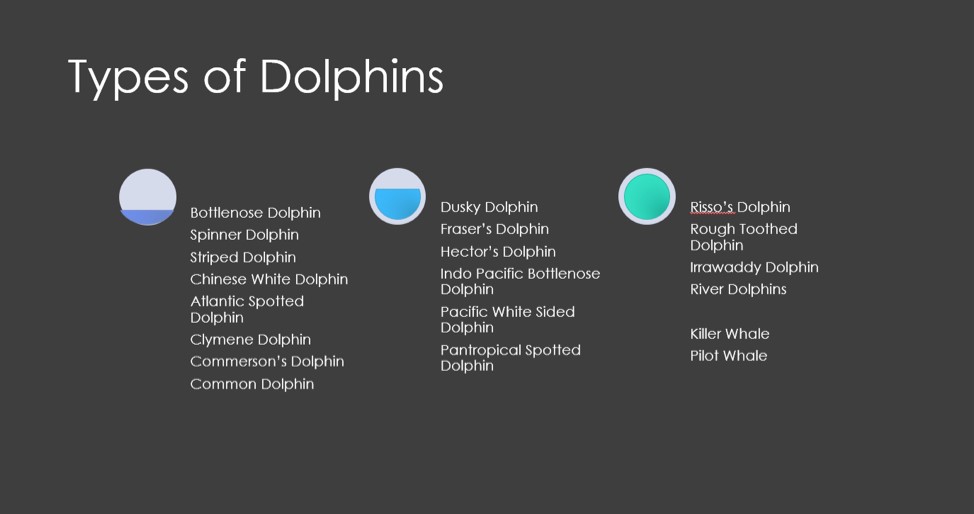
The principle of proximity fifty-fifty affects white space: equal amounts of white space and equal line spacing indicate that items are related or should exist considered as parts of a whole.
The PowerPoint slide above is very confusing. Why are there three different groupings under one headline, and why is each column grouped nether a unlike graphic? Note the 2 whales
listed in the far bottom right. They are actually types of dolphins, but their relatively distant position (proximity) from the others in their group makes it look equally if they are not. There are no headlines or labels here to help us group these lists, and the design strategy is not doing readers any favors.
Planning and adjusting how items are grouped on a folio helps y'all blueprint your text, graphics, and images so that readers can see relationships: what goes together, what is different, and what is similar. Relationships between items should exist clear.
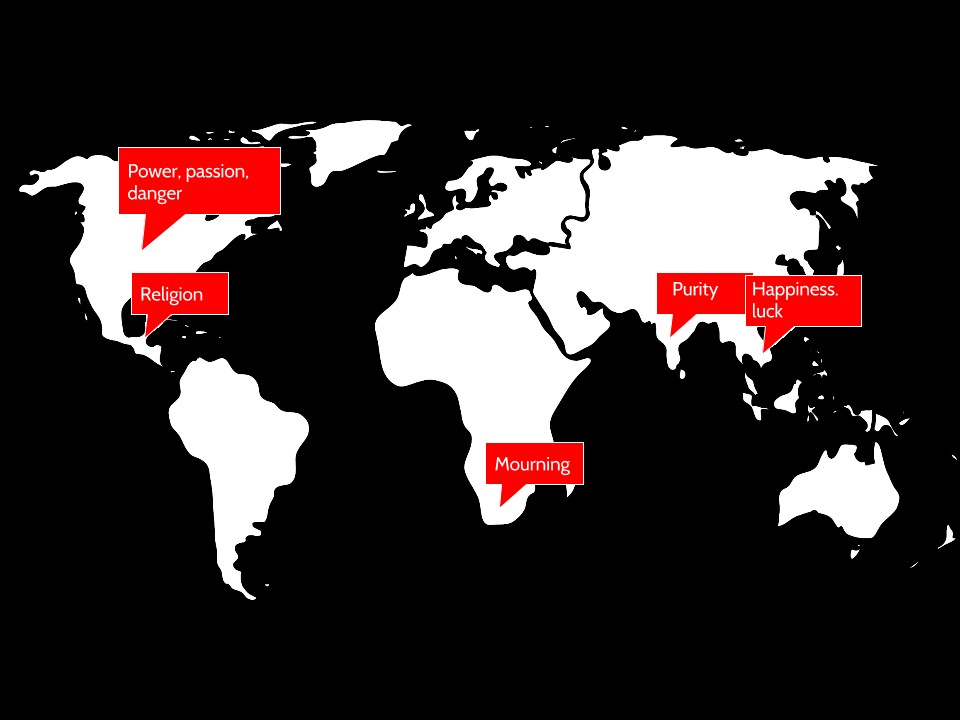
When creating graphics, it is very important to keep your audience in heed. This relates non only to the content you share, but also how that content appears on the page. Are you lot aware, for case, that the same colour has different meanings across various cultures? Take a expect at the graphic below and find how the color red means something very different across culture.
Similar differences be across cultures with other colors, as well, so be aware that the choices you lot make in colors for your graphics may communicate ideas yous practice not really intend.
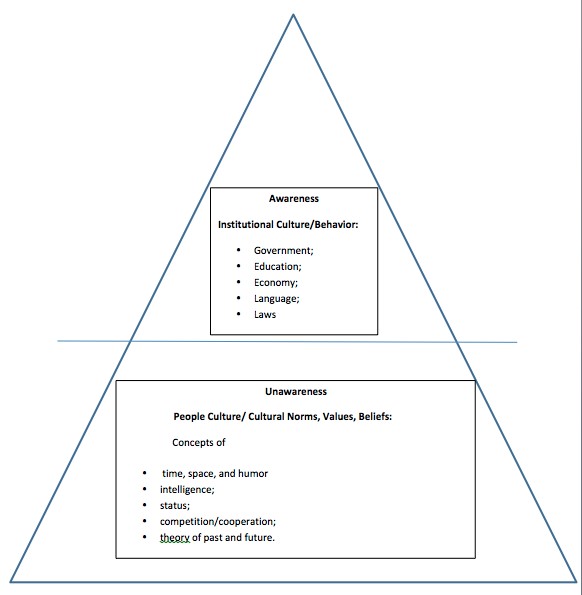
Technical writers need to be aware of cultural differences in behaviors, norms, beliefs, and values. Co-ordinate to Edward T. Hall and Mildred Reed Hall, in Agreement Cultural Differences, each civilisation operates according to its ain rules (1990, pp. three-four). Hall and Hall add that problems occur when members of 1 culture apply the rules to another civilisation (1990, pp. 3-4). To communicate effectively with other cultures, the technical writer needs to not only be aware of (explicit or stated) rules governing behaviors that can be observed, only also of the not-so-obvious (tacit or unstated) rules. The invisible rules of a culture dramatically bear on the acceptance of ideas, plans, and strategies. The Cultural Iceberg beneath illustrates patterns of earth communication, showing indicators of Institutional Culture (the obvious behavior of a culture), which tin can be conspicuously seen equally the tip of the iceberg, and People Culture (the norms, beliefs and values of a culture), which cannot be seen and which may provide barriers to successful communication. (Encounter Chapter ii on audience for more data on how to revise with differing cultural expectations in mind.)
Citing Images
- Purdue OWL: https://owl.purdue.edu/owl/research_and_citation/mla_style/mla_formatting_and_style_guide/mla_works_cited_other_common_sources.html
- EasyBib: http://www.easybib.com/mla-format/digital-epitome-citation
MS Discussion
- https://www.pcworld.com/commodity/2146761/word-s-secret-design-sizzle-learn-the-born-tools-for-amend-looking-documents.html
- PCWorld: https://support.office.com/en-us/commodity/Create-a-certificate-3AA3C766-9733-4F60-9EFA-DE245467C13D
Google Slides
- WikiHow: https://www.wikihow.com/Create-a-Presentation-Using-Google-Slides
- Using Google Slides: https://docs.google.com/document/d/1Rxw4DRvWizdHh21CIOrE8sCdV92bQ2GetHFMAp0grC4/edit#!
- Google Slides Tutorial: https://world wide web.bing.com/videos/search?q=using+google+slides&view=item&mid=7FF39D545F709D5DC5FE7FF39D545F709D5DC5FE&FORM=VIRE
PowerPoint
- Microsoft Part: https://back up.office.com/en-us/article/Create-and-relieve-a-PowerPoint-template-EE4429AD-2A74-4100-82F7-50F8169C8ACA
- WikiHow: https://www.wikihow.com/Create-a-PowerPoint-Presentation
ACTIVITY 1: Go online or take a walk around your town. Find a publication (print or electronic) that conveys messages clearly. Critique it according to the principles in this affiliate. Besides find an example of a publication that does not achieve its goal. Run into if you can place and describe which of principles are not being followed in the second example.
Activeness 2: Check out the poorly designed PowerPoint slides below. Using the principles learned in this chapter, what elements need to be adjusted to increase effectiveness?
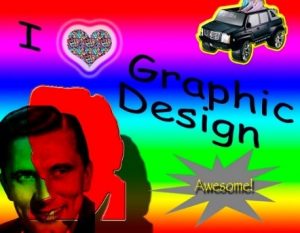
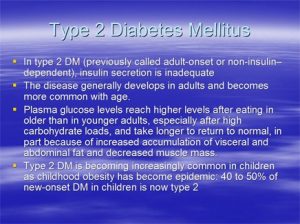
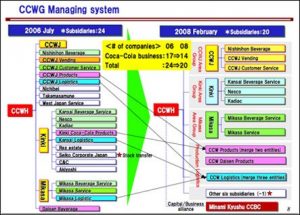
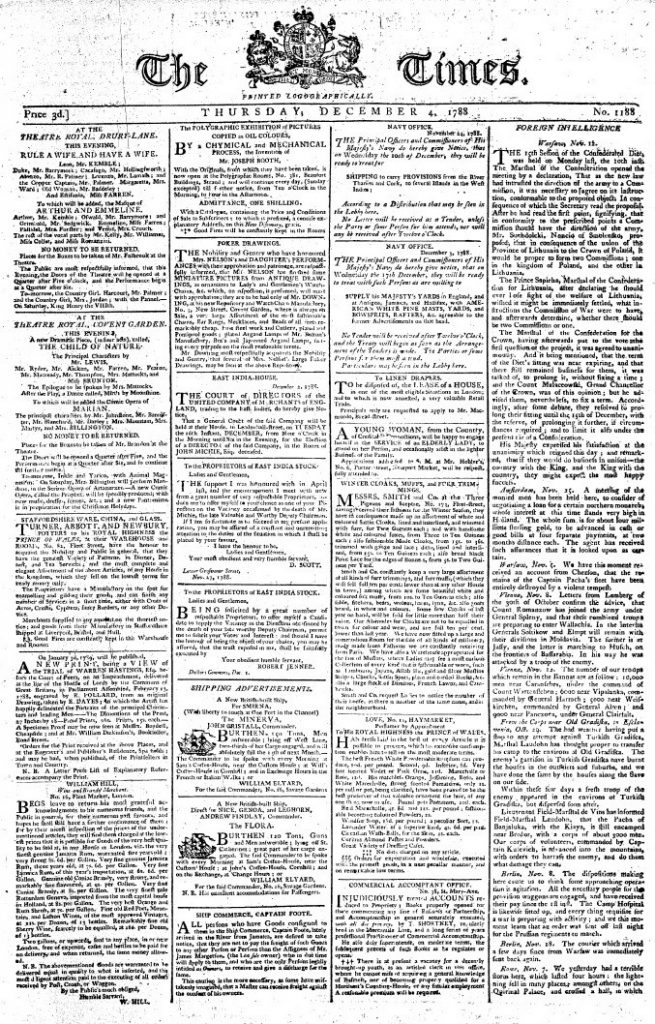
ACTIVITY 3: Just looking at the front page makes me tired! Discuss texts that you lot have found intimidating or hard to read because of their layout or appearance. What exactly made the text difficult to read?
Attribution
Material in this chapter was adapted from the works listed below. The material was edited for tone, content, and localization.
Technical Writing, past Allison Gross, Annamarie Hamlin, Billy Merck, Chris Rubio, Jodi Naas, Megan Cruel and Michele DiSilva, licensed CC-Past-NC-SA.
ENGL 145 Technical and Report Writing,past the Bay College Online Learning Section, licensed CC-Past.
herreraspittly1943.blogspot.com
Source: https://open.library.okstate.edu/technicalandprofessionalwriting/chapter/chapter-5/
0 Response to "Why Does Illustration Have Such a Negative Connotation in Art"
Enregistrer un commentaire